


The 12- and 13-Angled Stone is one of the most impressive examples of Inca engineering in Cusco, Peru. This stone, located on the famous Hatun Rumiyoc Street, is known for its perfectly aligned angles, leaving experts and visitors amazed.
But what makes this stone so special? In this article, we will explore its history, the mystery behind its angles, and how you can visit it on your next trip to Cusco.
What Is the 12- and 13-Angled Stone?
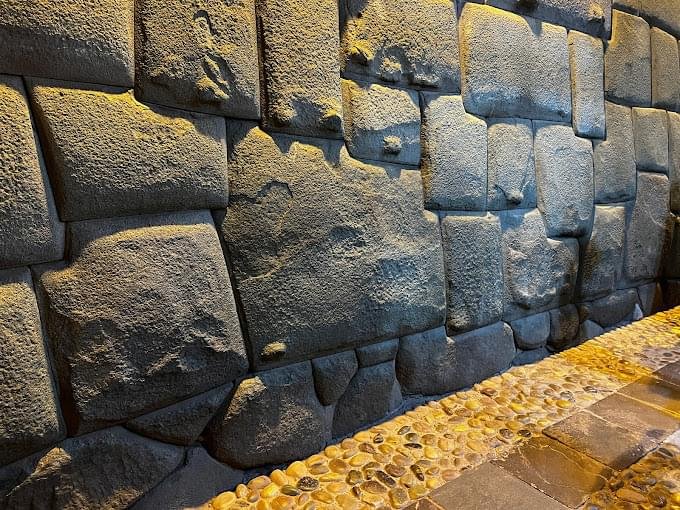
The 12- and 13-Angled Stone is an Inca-era stone located on Hatun Rumiyoc Street, near Cusco’s Plaza de Armas.
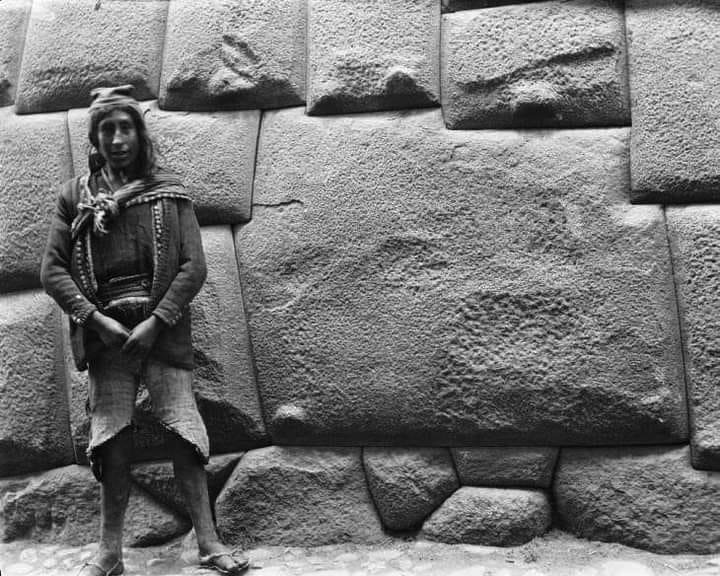
What makes it unique are its impressive 12—or 13—angles, depending on the interpretation, which fit perfectly with the surrounding stones. Its cutting precision is so exact that many wonder how the Incas achieved such a high level of skill without the use of advanced tools.
The Mystery of the Angles: How Did the Incas Achieve This Design?
Experts have proposed several theories about how the Incas were able to achieve such precision in stone carving—without modern tools and without today’s technology. Below are some of the most popular theories:
- Use of stone or copper tools: Although the Incas did not have steel tools, it is believed they used stone or copper tools that allowed them to carve stones with great precision. They may also have used natural abrasives such as sand to polish the surfaces.
- Heat techniques: Another theory suggests the Incas used heat to soften the stones, making them easier to shape. Although it has not been scientifically proven, some believe the Incas could have used the sun or bonfires to heat the stones and form them as desired.
- Shaping with advanced techniques: Some archaeologists suggest the Incas may have used a shaping system that did not require complex tools. This technique would have involved rudimentary tools, combined with great skill to create precise angles and achieve a perfect fit.
How to Visit the 12- and 13-Angled Stone in Cusco:
Visiting the 12- and 13-Angled Stone is a must-do experience for any traveler in Cusco. Below are some practical details on how to do it:
- Location: The stone is located on Hatun Rumiyoc Street, just a few minutes’ walk from Cusco’s Plaza de Armas. This street is part of the city’s ancient Inca area.
- Hours: There are no specific visiting hours, since it is part of a public street. However, it’s recommended to go early in the morning or late in the afternoon to avoid crowds and enjoy a quieter experience.
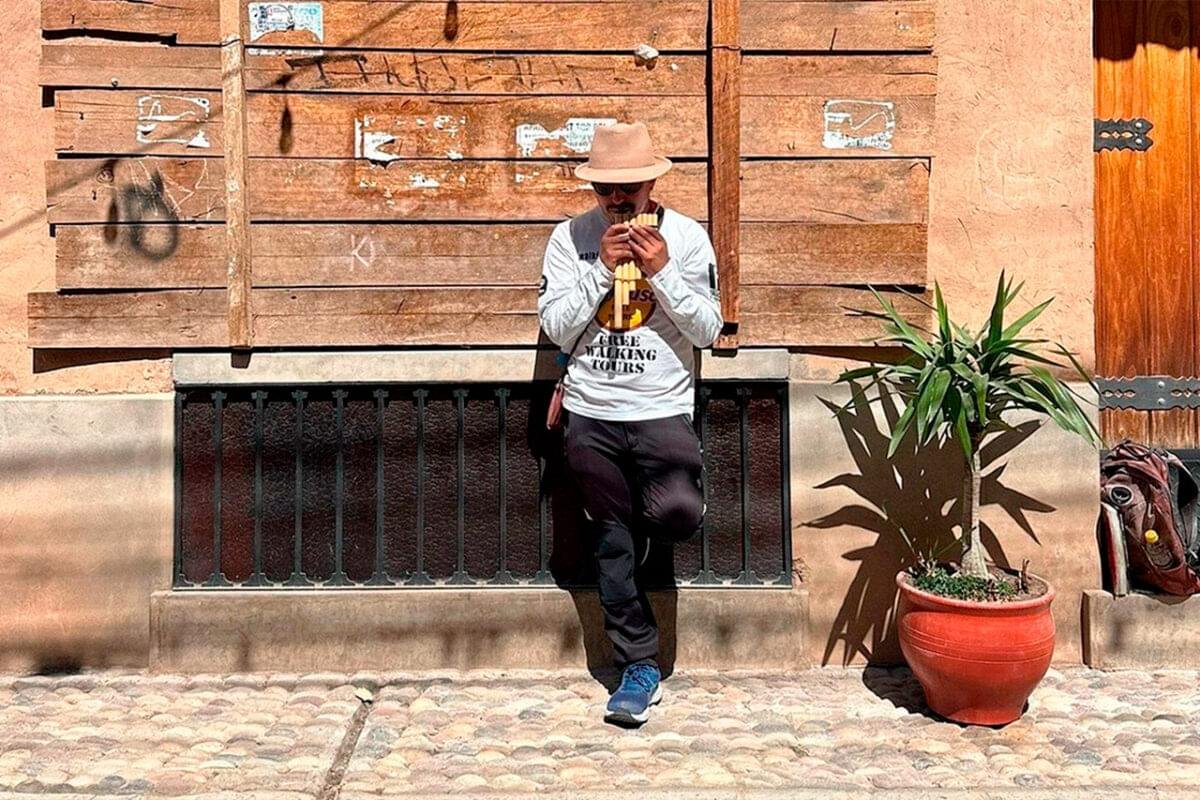
- Guides: Although you can visit on your own, it’s recommended to hire a local guide or join a free walking tour in Cusco so they can explain the history and secrets of the stone and its surroundings. Guides provide additional context about the stone’s importance within Inca architecture and the city of Cusco in general.
- Tips: Wear comfortable shoes for walking around Cusco’s streets, as some areas are cobblestoned. Also, since the city is at a high altitude, it’s recommended to acclimate before doing long tours.
Discover the Mystery of the 12-Angled Stone with a Free Walking Tour in Cusco
Learn about Cusco’s famous 12- and 13-Angled Stone, an impressive testament to Inca engineering. Enjoy its history and how you can explore it on a free walking tour in Cusco.
Conclusion:
The 12- and 13-Angled Stone is one of the most impressive wonders of the Incas’ architectural legacy.
More than just a stone, it is a testament to the skill and knowledge of the ancient inhabitants of Cusco, who managed to create an engineering work that still fascinates visitors today.
Visiting it is not only an opportunity to admire its precision, but also to immerse yourself in the rich history and culture of the Inca Empire.




0 Comments