


The Andean Trilogy is a symbolic representation deeply rooted in the worldview of Andean peoples.
This belief system, inherited from the ancient civilizations of the Andes, is represented by three powerful sacred animals: the Condor, the Puma, and the Serpent.
Each of these animals symbolizes a level of the Andean universe and carries spiritual meaning that connects the sky, the earth, and the underworld. In this article, we will explore the meaning and importance of these three symbols, as well as their relevance in Andean culture.
What Is the Andean Trilogy?
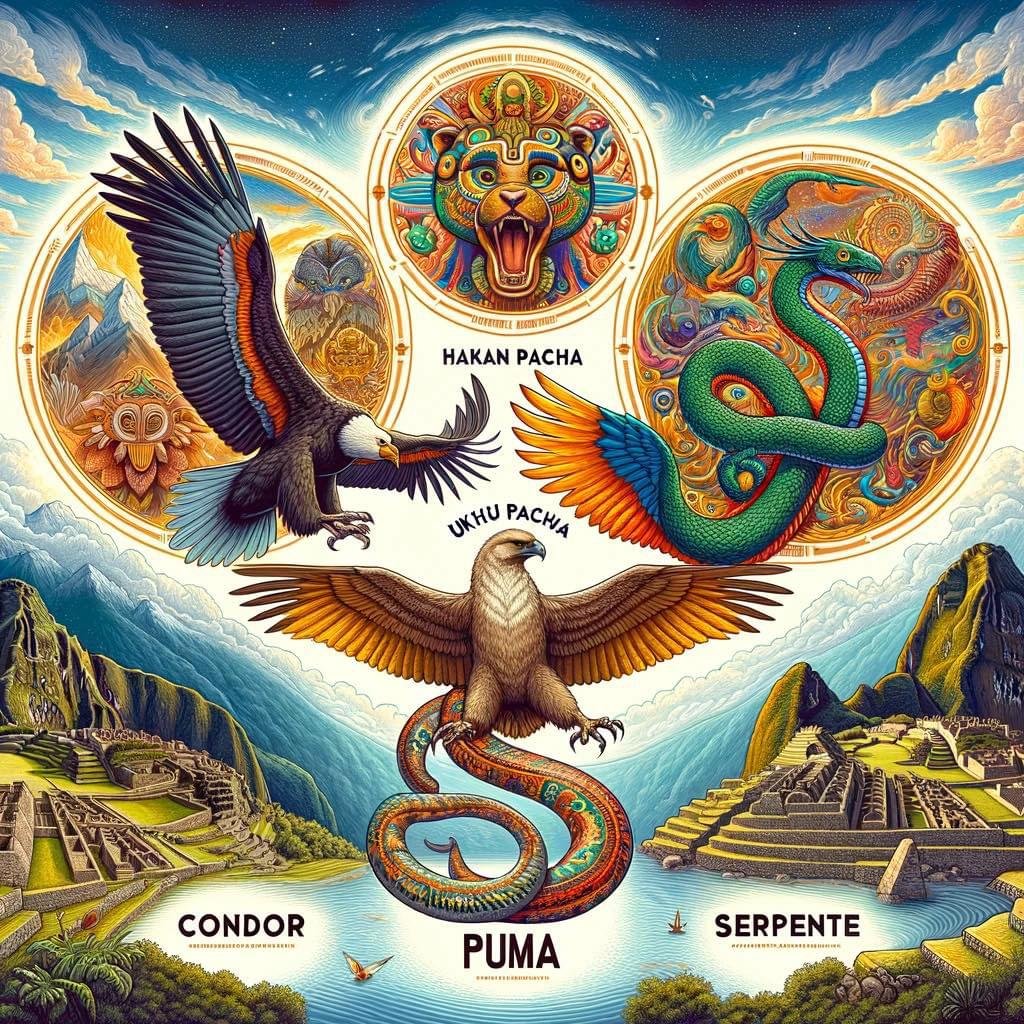
The Andean Trilogy refers to the symbolic relationship between three sacred animals: the Condor, the Puma, and the Serpent. These animals are not only representations of local wildlife—they also embody the three worlds of the Andean worldview:
- Condor: The celestial world, or Hanan Pacha.
- Puma: The earthly world, or Kay Pacha.
- Serpent: The underworld, or Ukhu Pacha.
Each of these animals plays a crucial role in Andean spirituality, and together they form a belief system that represents balance and connection among different aspects of life and the universe.er they form a belief system that represents balance and connection among different aspects of life and the universe.
The Condor: Hanan Pacha – The Celestial World in the Andean Trilogy
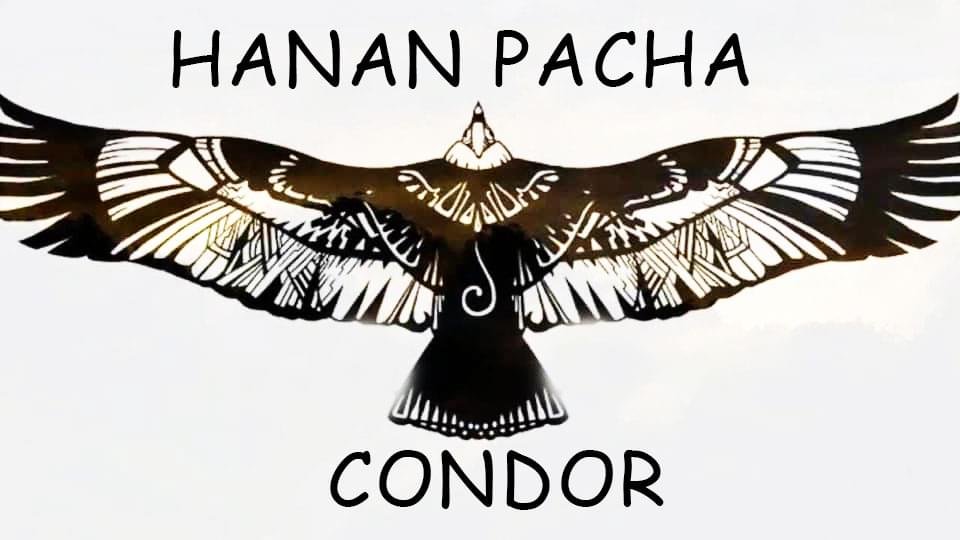
The condor is the symbol of the upper world and is associated with the connection between human beings and the gods.
This majestic animal, known for its ability to fly at great altitudes, is considered the messenger of the gods. In the Andean worldview, the condor represents wisdom, freedom, and spiritual vision.
Ancient Andean peoples believed that the condor could reach the heavenly heights, making it an intermediary between the human world and the world of the gods.
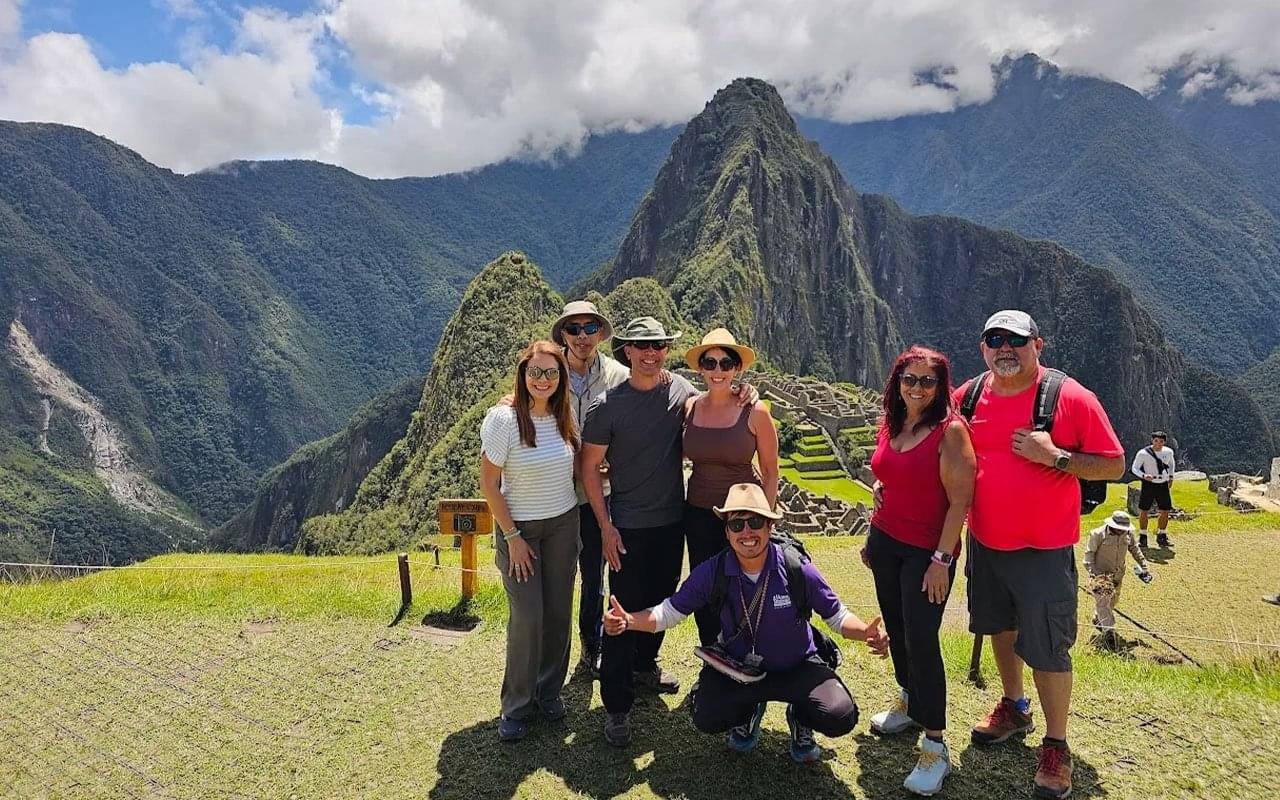
The city of Machu Picchu is an iconic example of the veneration of the condor, since the Temple of the Condor at this archaeological site reflects the sacred relationship between the Incas and this animal.
The Puma: Kay Pacha – The Earthly World in the Andean Trilogy
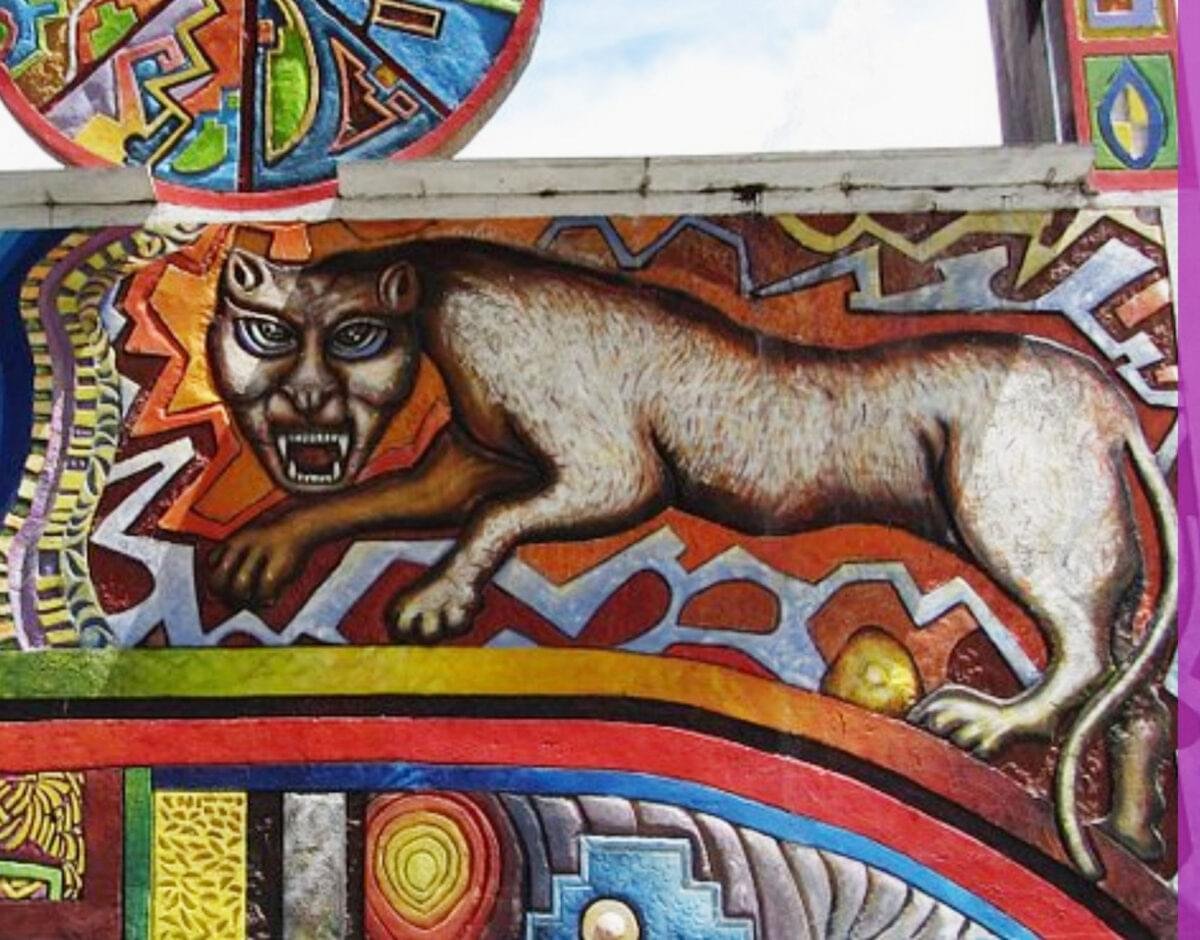
The puma is the guardian of the earthly world, Kay Pacha, and is associated with strength, vitality, and power.
This animal is considered the protector of living beings, the earth, and everything that inhabits it. Its agility and power make it a perfect symbol of the vital energy that flows through the material world.
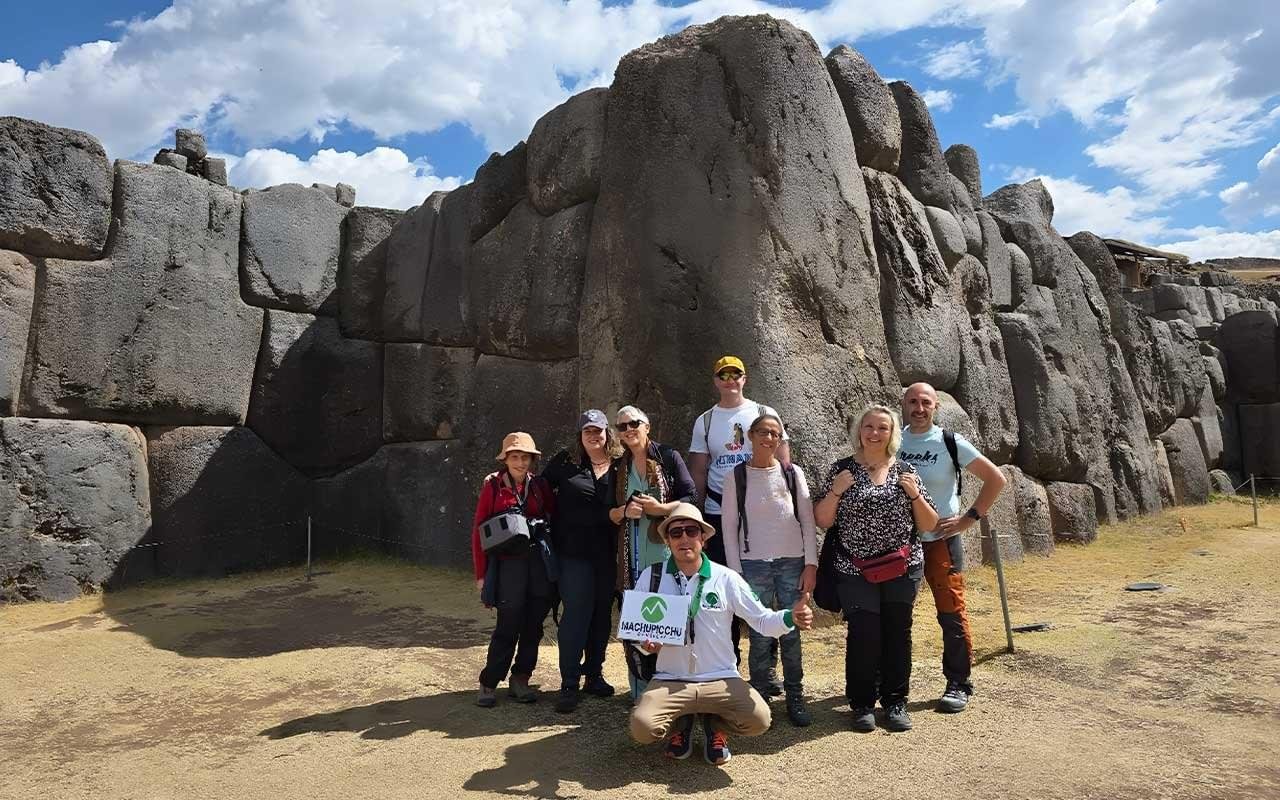
In Cusco, the historic city, you can find representations of the puma—especially at the ruins of Sacsayhuamán, where the layout of the city’s stones is said to form the shape of this animal.
The presence of the puma reflects the deep connection of Andean peoples with the earth and its power over.
The Serpent: Ukhu Pacha – The Underworld in the Andean Trilogy
The serpent represents the underworld, or Ukhu Pacha. This animal is associated with ancestral wisdom, transformation, and the deep knowledge that resides within the earth.
In Andean culture, the serpent is seen as a symbol of renewal and the cycle of life, since its ability to shed its skin represents constant change and regeneration.
In addition to symbolizing wisdom and rebirth, the serpent is also linked to underground forces and the connection to the spiritual world.
It is a symbol of connection to the roots of the earth and the hidden knowledge within the collective unconscious.
The Andean Trilogy and Its Spiritual Meaning
The Andean Trilogy is not only made up of these three animals; it also symbolizes the balanced relationship among the three worlds: Hanan Pacha (the celestial world), Kay Pacha (the earthly world), and Ukhu Pacha (the underworld).
The Andean worldview seeks to represent the interconnectedness of all elements of the universe, where every being—human, animal, or plant—has an important place in nature.
This cosmic balance reflects the importance of harmony in all aspects of life, and how human beings should live in alignment with nature and the spiritual world.
In Andean culture, maintaining this balance is crucial to ensuring prosperity and peace.
The Andean Trilogy in the Architecture of Cusco and Machu Picchu
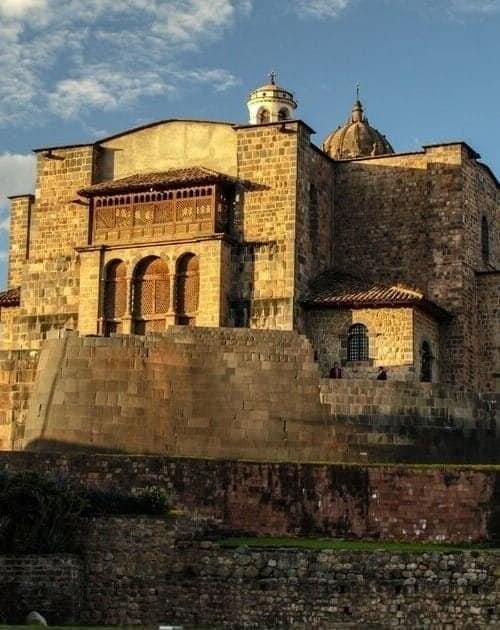
The Andean Trilogy also has a strong presence in the architecture of historic sites in Cusco and Machu Picchu. In the city of Cusco, you can see how the shapes and structures of buildings were influenced by these three sacred animals.
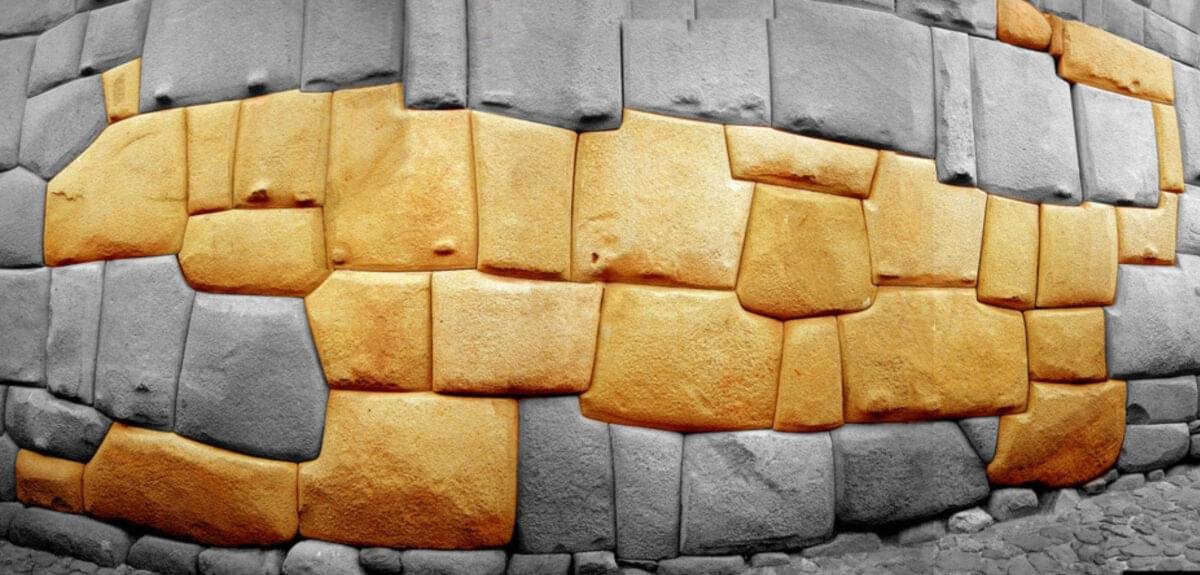
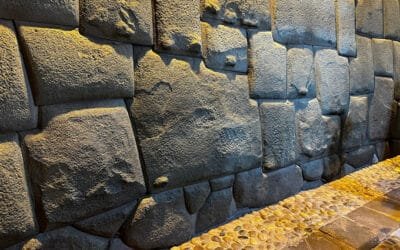
The Twelve-Angled Stone at the Archbishop’s Palace, for example, is considered a symbol of architectural perfection, where the precision of the stones represents the strength of the puma.
At Machu Picchu’s Temple of the Condor, the shape of the carved rock is a clear reminder of the condor’s spiritual power and its connection to the sky.
These architectural representations not only serve as a reminder of the symbolic relationship between the animals and the three worlds, but also of the profound wisdom of ancient Andean peoples in their understanding of the cosmos and nature.
“Explore the Andean Trilogy in Cusco with a Free Walking Tour—discover the secrets of the Andean worldview!
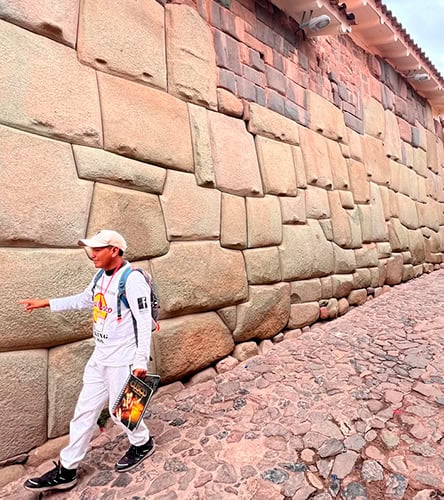
How to get to the Stone Puma and Serpent in Cusco?
Conclusion
The Andean Trilogy is much more than a representation of three animals; it is a symbolic system that reflects the profound understanding ancient Andean peoples had of the spiritual and physical connection with the world.
Through the Condor, the Puma, and the Serpent, Andean peoples taught that life is a balance among the different worlds, and that harmony with nature and the cosmos is essential for existence.
If you ever visit Cusco or Machu Picchu, you will be able to experience firsthand the magic and mystery of these sacred symbols and understand the deep relationship between humanity and the Andean universe.




0 Comments